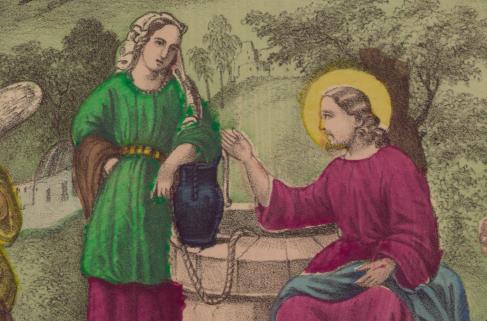
(link) "The word “glory” – the word which has to bear the weight of holding those “impressed forces” – is a stranger in current speech, and our first duty is to seek out its equivalent in working English. It suggests at first a radiance of some kind, something dazzling or glittering, some halo such as the old masters loved to paint round the heads of their Ecce Homos. But that is paint, mere matter, the visible symbol of some unseen thing. What is that unseen thing? It is that of all unseen things the most radiant, the most beautiful, the most Divine, and that is Character. On earth, in Heaven, there is nothing so great, so glorious as this." - Henry Drummond, "The Changed Life" (link)
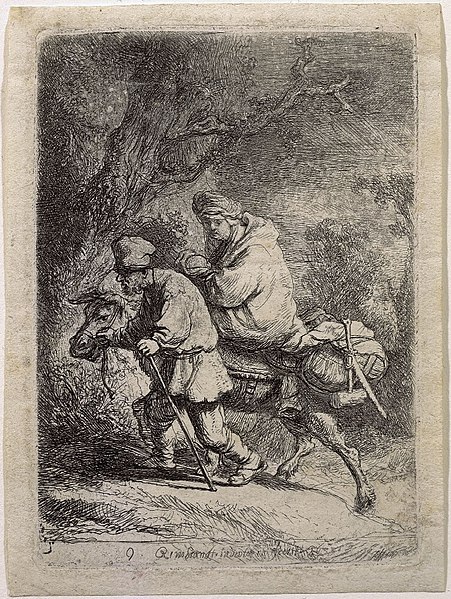
This is an example of an artist taking characters from the Bible and placing them in his contemporary context. Mary and Joseph look like Dutch peasants. This is from the class i'm taking right now - "Women of the New Testament" with Jerram Barrs
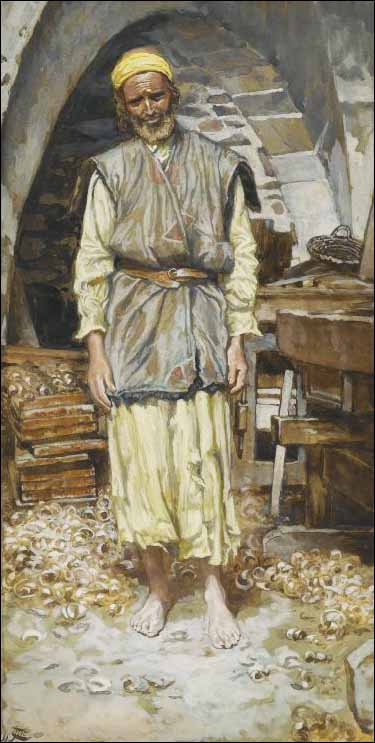
I like how realistic this feels. While other painters seem to transform the holy family into characters they could find in their own contemporary context, I like how Tissot seems to see Joseph as a Jew from around the time Jesus was born.
Also really interesting is the graph she shows about how the creative industries that do not have copyright protection have much higher levels of growth than those that do. (fashion vs. music and books)